In Search of the Tlahuica Butterwort
Ocuilan de Arteaga - State of Mexico
Photographs and text by Gian Carlos Landa
The whole trip began as a suggestion to work with two species of pinguicula for a thesis topic. When selecting and considering which species to work with, Pinguicula olmeca and Pinguicula tlahuica were recommended. However, the latter species wasn’t available at the time, so it was suggested that we go and observe and collect it for this project.
Up until then, among all my contacts, I only knew one person who could help me locate Pinguicula tlahuica. I contacted Sebastián Enríquez, who helped me during my visit in the search for the species. However, I was surprised because during my trip I was able to observe other species different from those found in the state of Veracruz, where I’m from, specifically the state capital. In Veracruz, we can only find three species: Pinguicula moranensis, Pinguicula lilacina, and Pinguicula emarginata. However, learning about other species and about a new species recently discovered by science thrilled me. After discussing it via text messages and video calls, we agreed on a day to visit the Pinguicula tlahuica in its natural habitat and learn more about the species, beyond just the scientific description by López-Pérez, Jorge David, and his collaborators.
Our trip began on July 18, 2025, in Xalapa, the City of Flowers. Our destination was the capital of the state of Morelos. My thesis advisor, Dr. Martín Mata, drove the entire way from the capital of the state of Veracruz to the capital of Morelos. Along the way, we also passed through the states of Puebla, Tlaxcala, Mexico State, and Guerrero. In Guerrero, we were able to observe Pinguicula heterophylla. After traveling 368 km to see the Pinguicula tlahuica, we stopped at Sebastián’s house, where we received a warm welcome. He provided us with food and lodging for the weekend of our trip. We unloaded our luggage and belongings and set out that same day to observe Pinguicula parvifolia and Pinguicula moranensis on a well-known hill in the city called Cerro de la Luz. We spent some time there, taking photographs and collecting seeds to add to the national collection of Mexican Pinguicula.
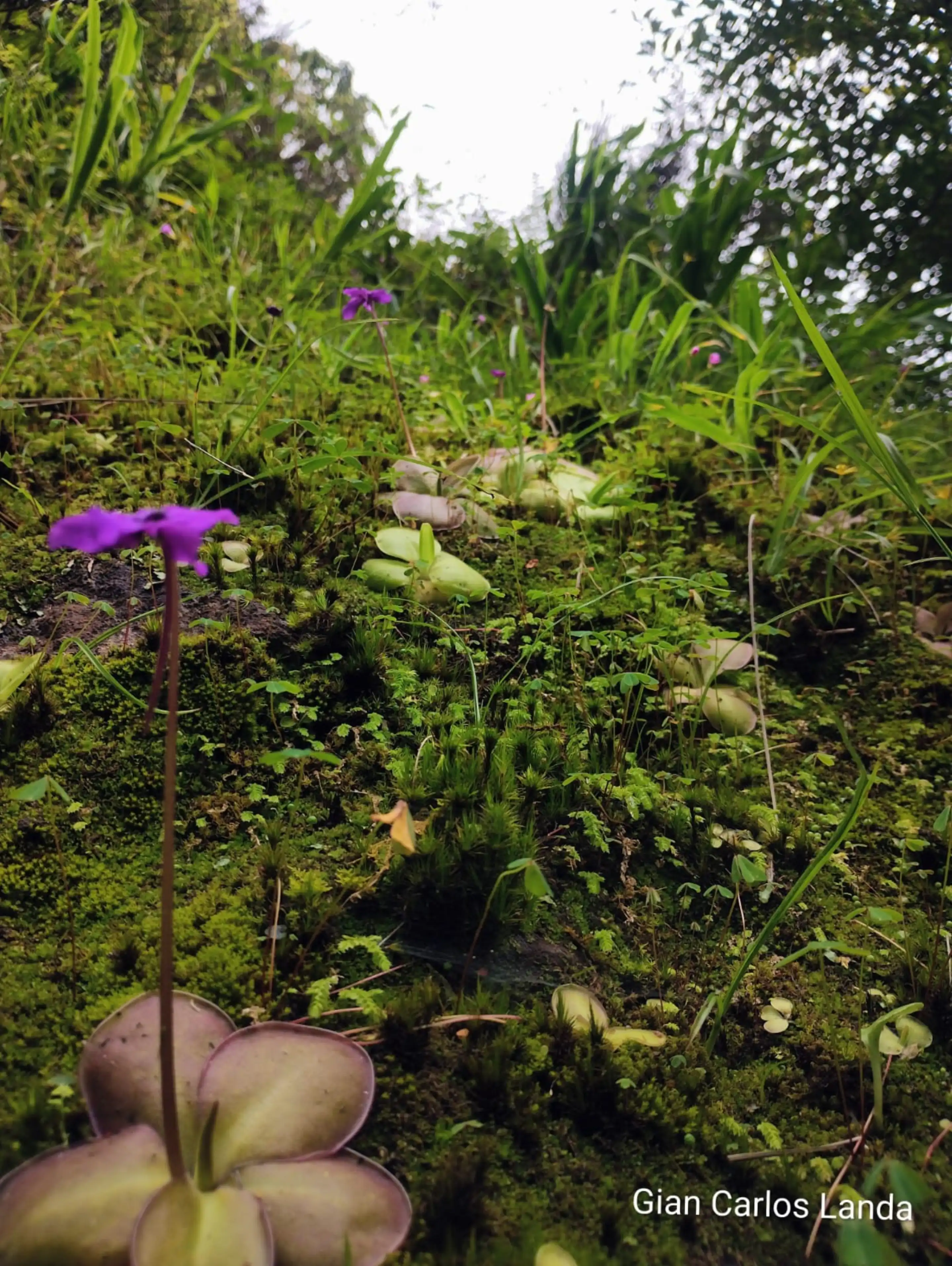
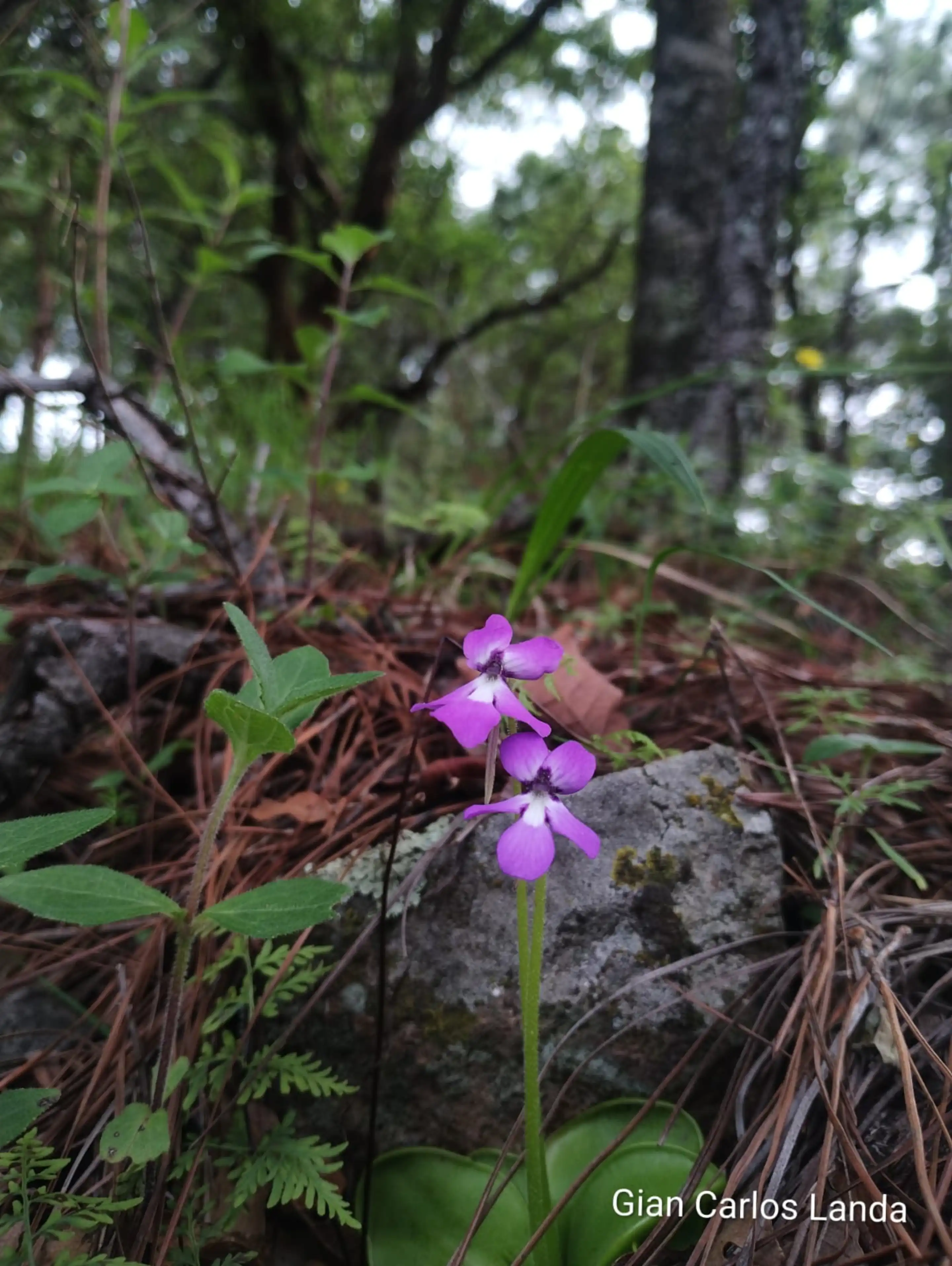
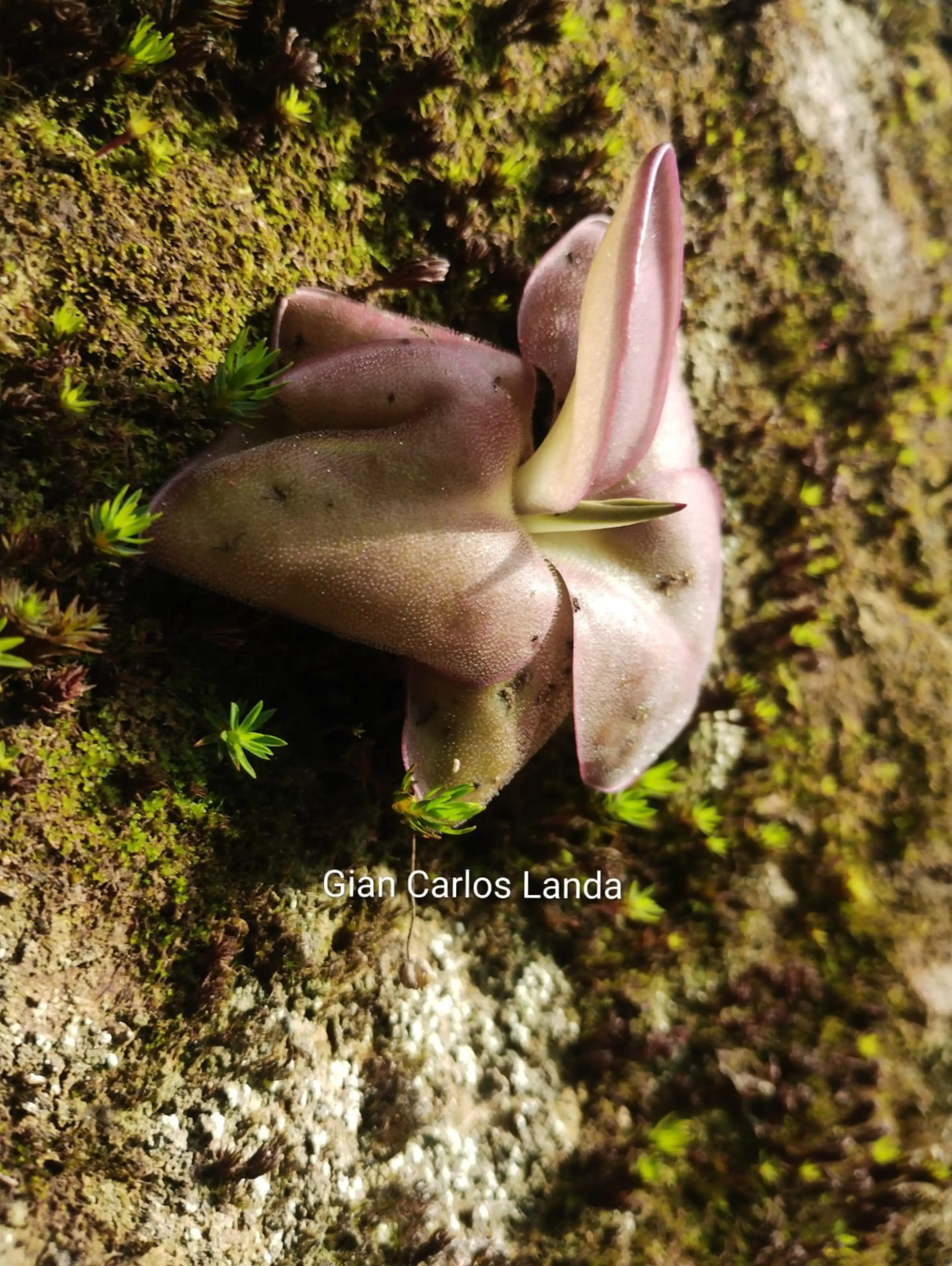
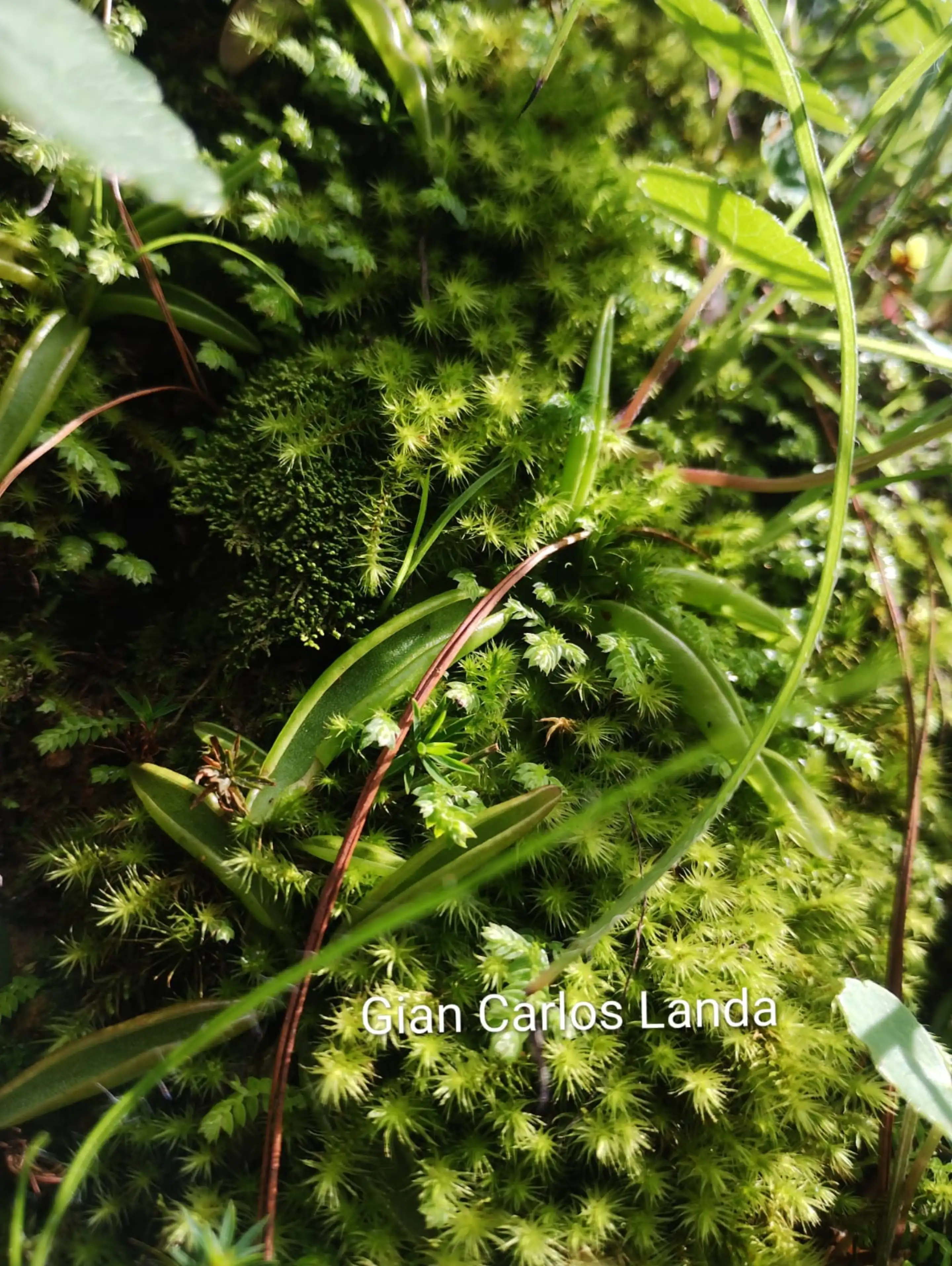
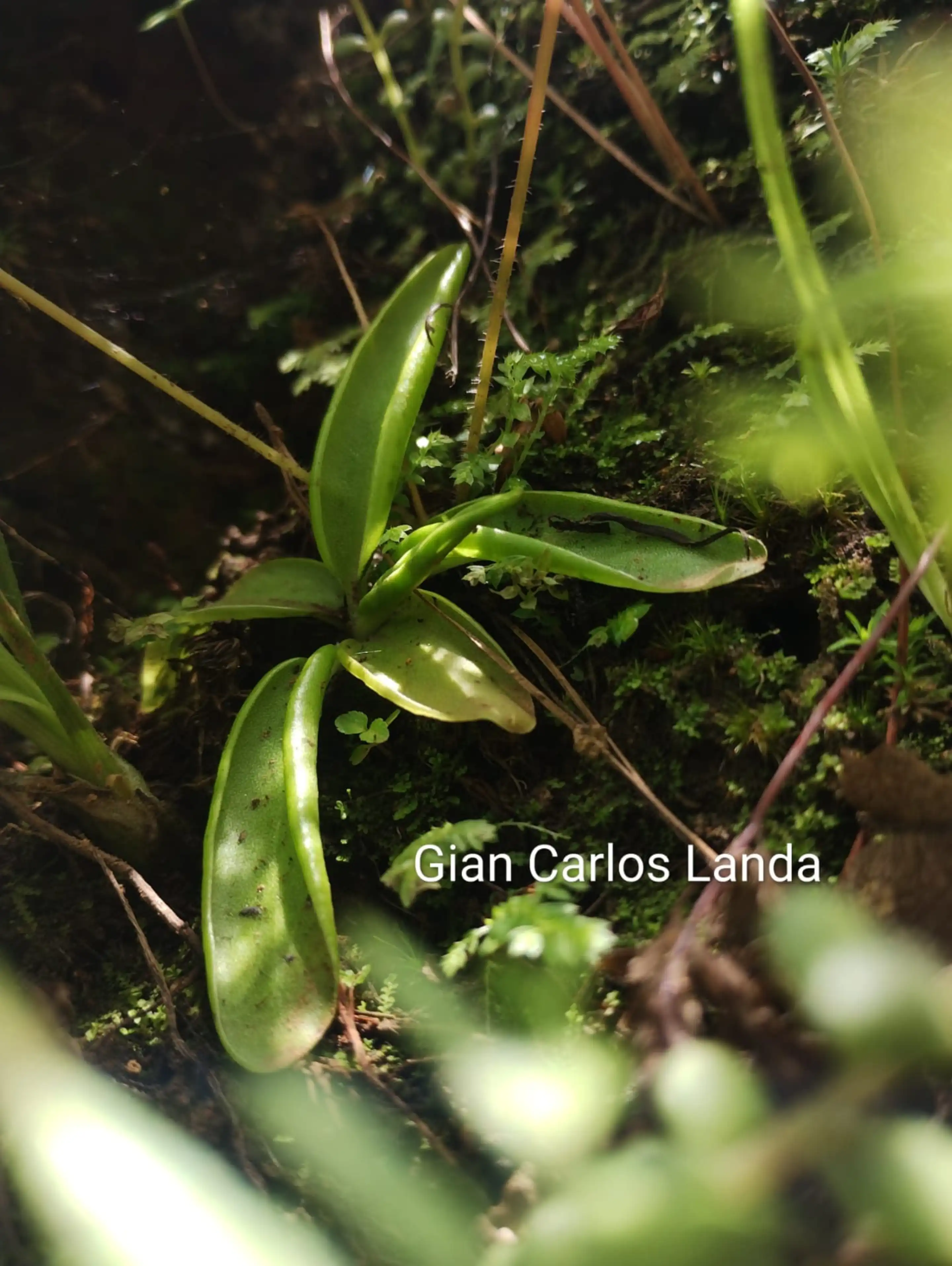
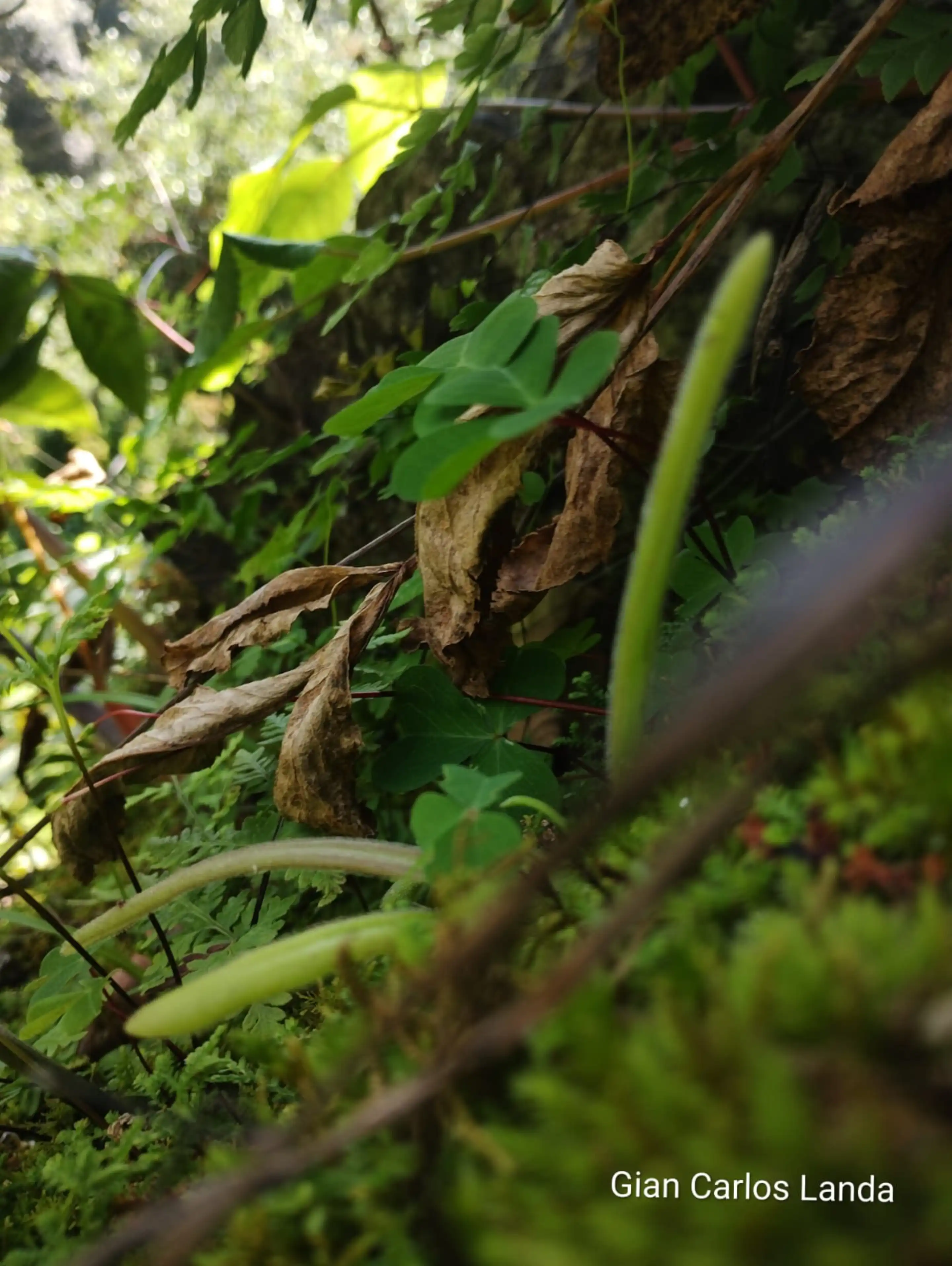
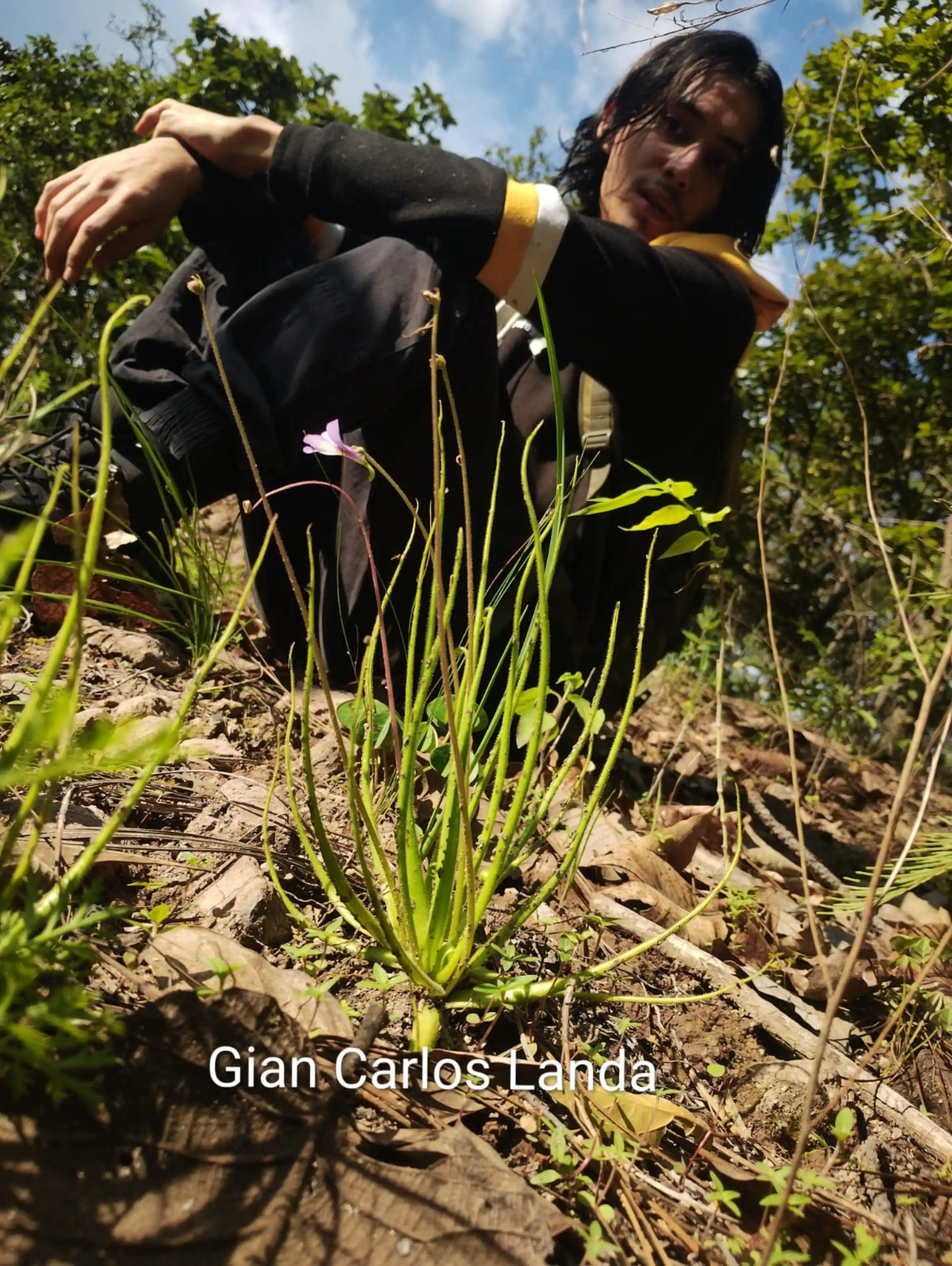
On our second day, we set off first thing in the morning. Our journey began early, and our next destination was Pinguicula tlahuica. We drove through the city for several minutes to reach its habitat. After a while, we arrived at the location of Pinguicula tlahuica, which was exactly as described in the article. Once we located the plants, we proceeded to take photographs and videos of the specimens in the field. We analyzed the habitat and were surprised to find that Pinguicula tlahuica shares the same habitat and conditions as Pinguicula moranensis. Once we were satisfied with observing this new species in the field, we departed for the state of Guerrero. Our next objective was to reach Buena Vista, where we were able to observe the next and final species on the list: Pinguicula heterophylla. There, we also discovered another species, thus concluding our journey in search of Pinguicula tlahuica, where we also observed several other species.
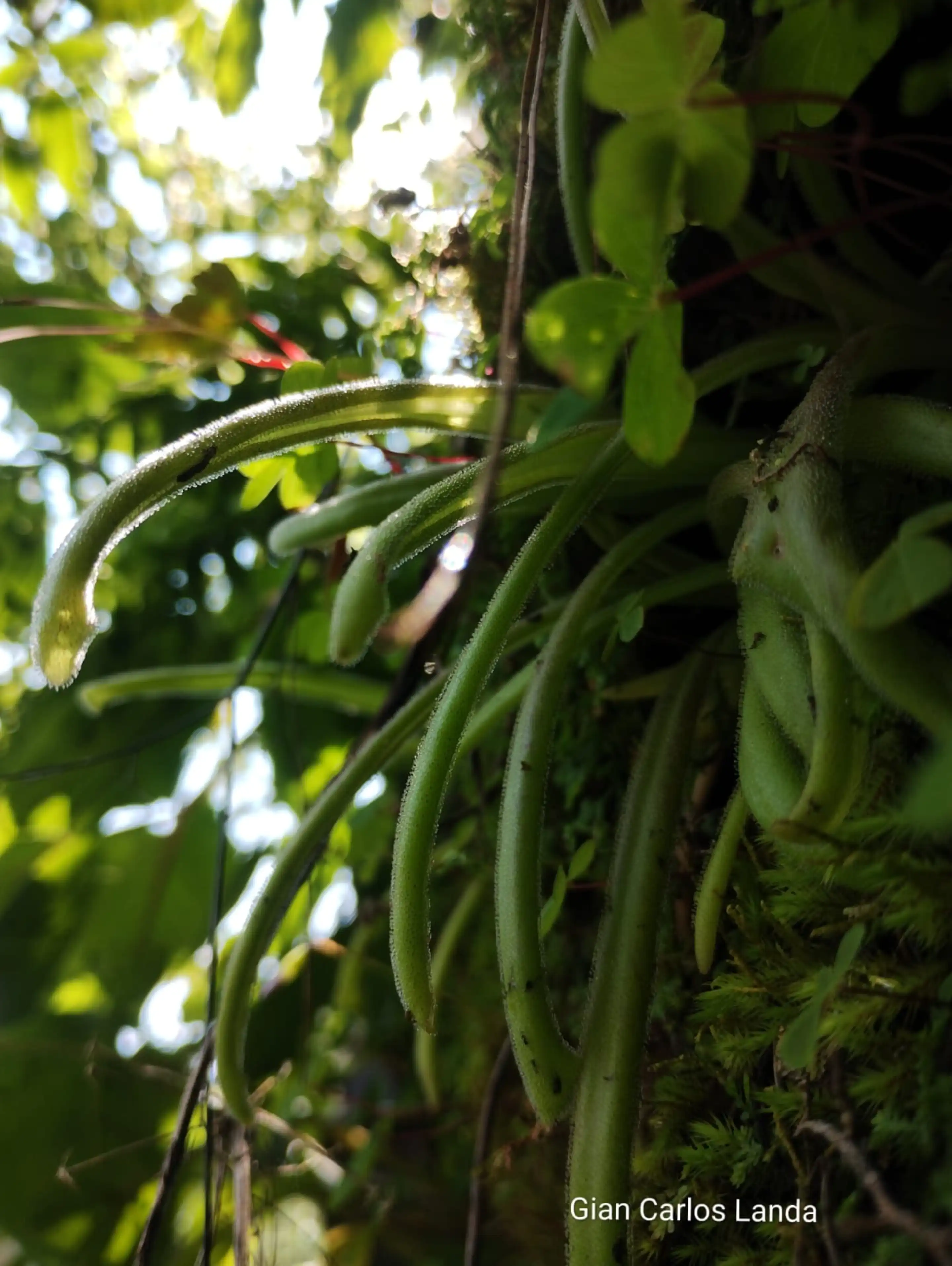
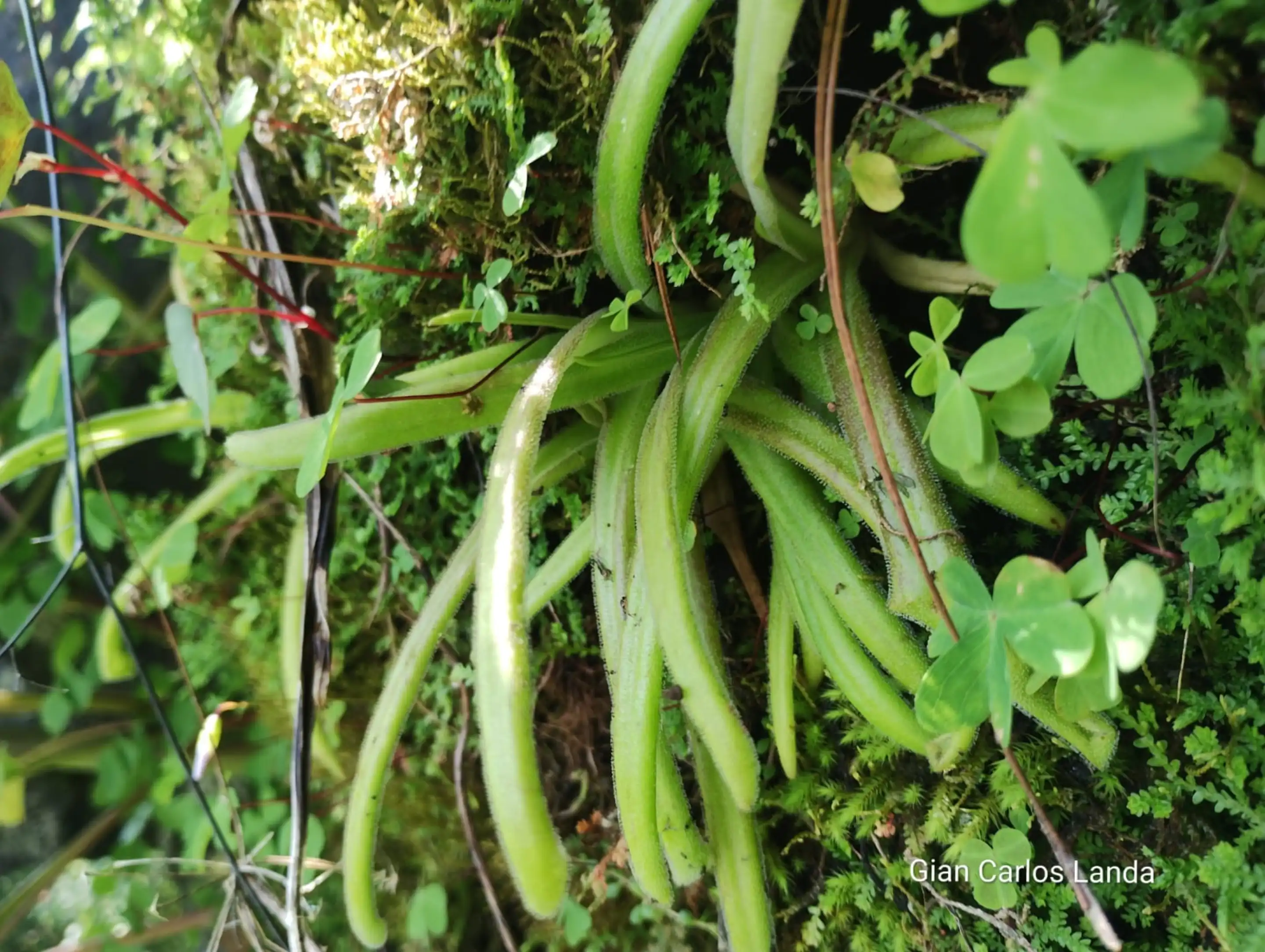
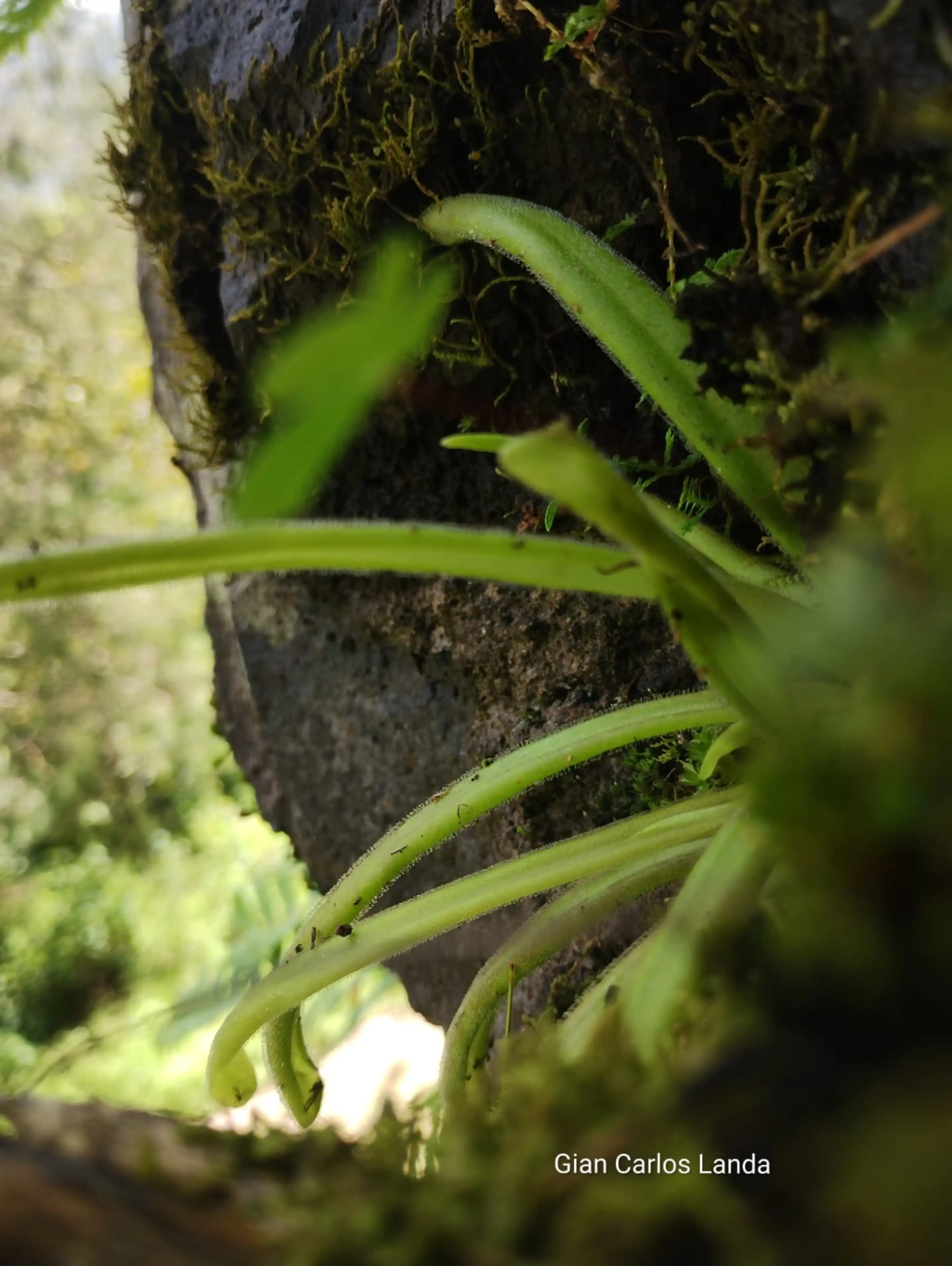
I just want to thank the Enriquez family and my friend and colleague Sebastian, thanks to whom I was able to see Pinguicula tlahuica in its natural habitat. I also want to thank my thesis advisor, thanks to whom I was able to observe this species.
Sincerely, Gian Carlos Landa